By Tihan van der Walt | 13 November 2026
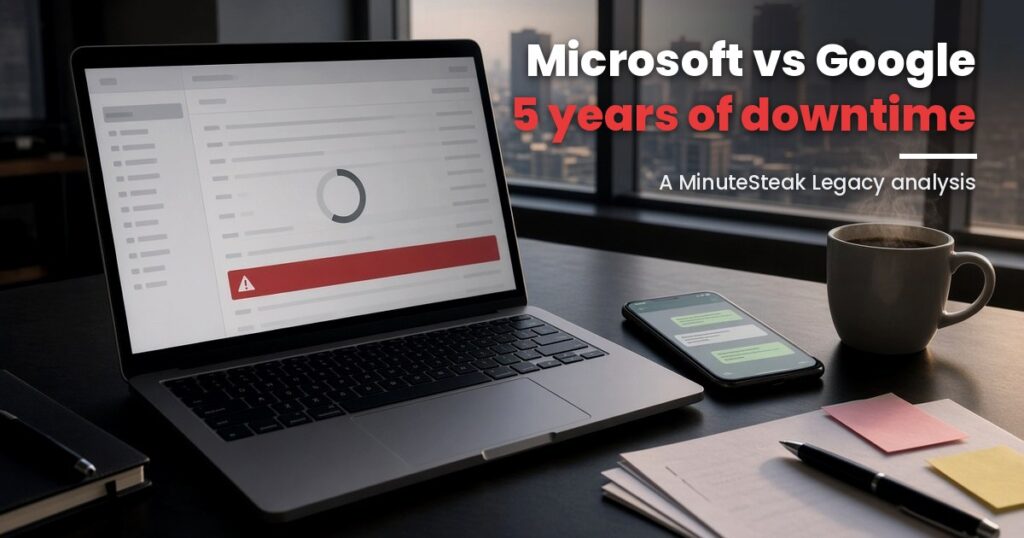
This morning a lot of South African businesses couldn't open Outlook. A global Microsoft 365 outage, covered here, knocked out email, calendars and much of Teams before most people had finished their first coffee.
It's a reminder that something will break sooner or later: the power, the email, the bank's app, a big client's payment run. Getting through it has less to do with budget than with spending an hour on a plan before it happens.
Here's what to put in place.
What does business resilience actually mean for a small business?
For a small business, resilience means customers can still find you, reach you and pay you when something breaks. It's not a 40-page continuity plan. It's knowing which three or four things your sales depend on, having a backup for each, and making sure your team knows what to do without waiting for you.
Write down, honestly, what has to work for you to make a sale today. For most small businesses it's something like:
- Customers can find you: website, Google Business Profile, social media.
- Customers can contact you: phone, WhatsApp, email.
- You can quote and invoice: laptop, accounting software, email.
- Customers can pay you: card machine, EFT, payment links.
Then ask: if one of these went down for a day, what would we do? That's the whole exercise. It sounds obvious. Almost nobody does it.
How do I keep customers reaching me during load-shedding?
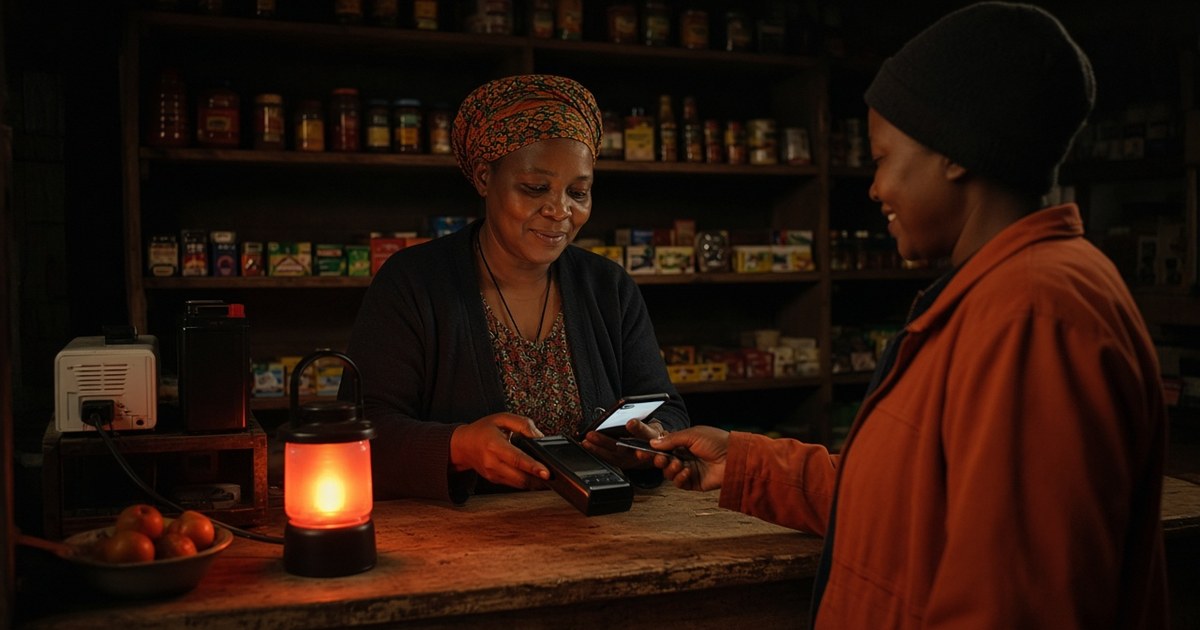
Make sure your phone, router and card machine stay on. A small inverter or UPS for the fibre router and a charged power bank cover most outages. Put a mobile number and WhatsApp on everything, so customers can reach you even if the landline, the office Wi-Fi or the website is down.
Most VoIP and fibre setups die the moment the power goes, unless the router has backup. A router UPS is one of the cheapest bits of insurance a small office can buy. Also set up a data bundle or hotspot on at least one phone as a backup connection, and test it before you need it.
Whether there's load-shedding when you read this or not, Eskom's schedule can change fast. Keep an eye on Eskom's load-shedding page or a schedule app, and plan important calls and online meetings around it where you can.
What should I do when email goes down?
Move to channels that don't depend on the same system. Tell customers on WhatsApp, your Google Business Profile and social media that email is delayed, and give them another way to reach you. Keep key contacts and current quotes somewhere you can open without the mailbox.
WhatsApp's own page says the Business app lets you "Greet people the moment they start a conversation and respond to messages even when you're away so your customers always feel seen and heard." For a closure, Google's help says "You can set special hours if your business temporarily adjusts its hours of operation or remains closed for up to 6 days in a row."
Some quick wins:
- A WhatsApp Business account with your business name, hours and a short away message.
- Your top 20 client contacts saved on at least two phones.
- A shared folder with current quotes and price lists you can open from any device.
- A short "we're having email problems, WhatsApp us on…" message ready to post.
How do I keep sales going when cash is tight?
Focus on the customers and offers that bring in cash fastest. Follow up open quotes, contact past customers, offer a reason to buy now and make paying easy. Cut marketing that doesn't bring measurable enquiries, but don't switch everything off. Going silent makes the next month even harder.
When money's tight, the instinct is to stop all marketing. I understand it. But the businesses that recover fastest are the ones that keep the cheap, high-return stuff going and cut the vanity spend. Practically:
- Chase open quotes. Most businesses have quotes sitting there that nobody followed up. A friendly WhatsApp can turn one of them into cash this week.
- Talk to past customers. They already trust you. A service reminder, a seasonal offer or a simple "how's the system working?" often leads to work.
- Make paying easy. Card machine, instant EFT, a payment link on WhatsApp. Every extra step loses money.
- Keep your Google presence alive. A properly set up Google Business Profile brings leads for free.
- Pause ads that can't show results. Keep the ones that bring calls and WhatsApps you can count.
How do I protect cash flow from late payers?
Agree payment terms upfront, in writing, and invoice the day the job is done. Ask for deposits on bigger jobs, send polite reminders before the due date, and follow up personally on the day after. Late payment is often just disorganisation on the client's side, and a quick phone call fixes more than a stern email.
A few things that make a real difference:
- Deposits of 30% to 50% on custom or large jobs. It's normal in South Africa, and serious clients accept it.
- Clear invoices with your banking details, reference and due date on the first page.
- A reminder three days before the due date, not three weeks after.
- For big corporate clients, find out who in accounts actually processes payments and get their email and number.
How should I communicate with customers during a crisis?
Quickly, honestly and in the places they already look. Update your Google Business Profile hours, post a short note on social media, set a WhatsApp away message and, if it's serious, put a banner on your website. Tell people what's affected, what still works and how to reach you.
Customers forgive problems. They don't forgive silence. A one-line update, "Our email is down due to the Microsoft outage, please WhatsApp us on 081…", saves you from a pile of frustrated calls and keeps leads coming in.
Google lets you set special hours on your Business Profile for public holidays and unusual days. Use them. Nothing annoys a customer more than driving to a shop Google says is open.
Which marketing keeps working when things break?
The assets you own: your Google Business Profile, your website, your reviews, your customer list and your WhatsApp contacts. They keep bringing in enquiries even when you're not actively doing anything. Paid ads stop the moment you stop paying, so build up the free assets while things are calm.
That's the long-term lesson. Ads are great, and we run plenty of them. But a business with 150 good Google reviews, a website that ranks and a WhatsApp list of past customers is much harder to knock over than one that depends on a single ad account or a single big client.
If you want to know how AI search fits into that, read how to get your business recommended by ChatGPT and Google AI.
FAQ
What is small business resilience?
It's your business's ability to keep finding customers, talking to them and getting paid when something goes wrong, like power cuts, outages or cash-flow problems.
What's the cheapest way to stay online during load-shedding?
A small UPS or inverter for your fibre router, a charged power bank for phones, and a mobile data backup on at least one phone.
What should I do if my business email goes down?
Tell customers on WhatsApp, social media and your Google Business Profile, and give them another way to reach you until email is back.
Should I stop marketing when cash is tight?
Cut what you can't measure, but keep the low-cost, high-return activities going, such as follow-ups, reviews, your Google Business Profile and contact with past customers.
How do I update my Google hours for unusual days?
Use the special hours feature in your Google Business Profile to set changed hours for public holidays or unusual days.
Want help building something sturdier?
You don't need a big consultancy to make your business harder to knock over. You need someone to look at how customers find you, contact you and pay you, and point out the weak spots. That's usually an afternoon's conversation, not a six-month project.
Want a marketing setup that keeps working when things break?
MinuteSteak is one of the big players in South African digital marketing, and we've spent about ten years building websites, Google profiles and lead systems for clients from small local businesses to SANParks, Brand South Africa and Falco Appliances. We'll help you set up the channels that keep enquiries coming when something breaks. We're based in Linbro Park, Sandton, and meet by appointment only.